

Reviewed · CITY TOURS
Full Day Qatar North and City Tour with Pickup From Doha
Qatar’s appeal comes into focus when you leave Doha’s towers behind. This full-day trip links polished city sights with Al Khor’s pearling past, Purple Island’s mangroves, old coastal villages, and Al Zubara Fort, giving you a much broader picture of the country than a city tour alone.
I like the small maximum group of six, which should make the long drives easier and allow more room for questions. I also like the mix of grand places such as the Museum of Islamic Art and very simple coastal stops where Qatar’s fishing and pearling past is easier to picture.
The trade-off is time. With seven or eight stops spread across Doha and the north, this becomes a full day on the road. One section of the route can feel slow, and the northern stops may appeal more to history fans than to anyone wanting a relaxed day in the city.
Key points to know before booking
- A city-and-country combination: See The Pearl, Katara, the Corniche, the Museum of Islamic Art, and Souq Waqif before heading north.
- Al Khor tells Qatar’s pearling story: Its harbor, fishing traditions, and old coastal role add useful context to the modern capital.
- Purple Island is a nature stop: Expect mangroves and coastal scenery rather than a large attraction with extensive facilities.
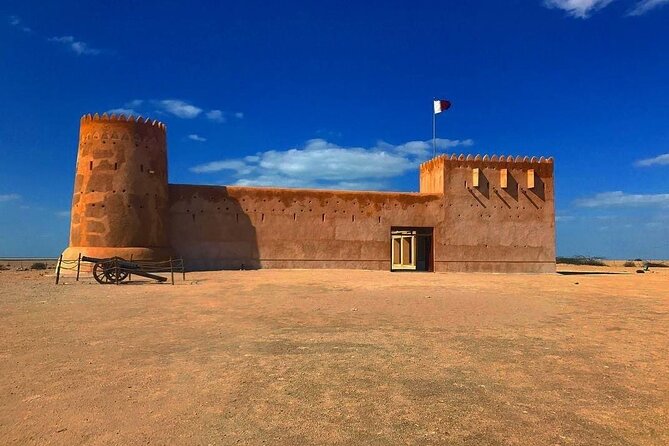
- Al Zubara Fort is the historical centerpiece: Admission is not included, and the site works best for visitors interested in archaeology and trade.
- The 4×4 matters: An air-conditioned Land Cruiser is a practical choice for a long day covering distant northern sites.
- Guides can shape the day: Guides named in past bookings include Imran, Abdullah, Zohaib, and Tariq, with Zohaib and Tariq receiving particular praise for friendly communication and explanations.
What this full-day Qatar route is really like
This is not a gentle half-day introduction to Doha. It is an ambitious loop that starts with the capital’s modern districts, moves through older commercial and coastal areas, and ends among the ruins and fortifications of northern Qatar.
The tour lasts about seven to eight hours. Pickup is offered, and transport is by an air-conditioned vehicle, specifically described as a 4×4 Land Cruiser. Bottled water, coffee, and tea are included. The maximum group is six people, a useful limit when much of the day involves driving.
At $140 per person, I see the value mainly in the transport and coverage. You are not paying only for a guided walk through one neighborhood. You are covering a wide stretch of Qatar in one day, with hotel transfer and a guide to connect the places. The price is less compelling if you want long museum visits or plenty of free time at each stop, since the schedule has to keep moving.
A few more Doha trips to weigh up
- Private Full Day Desert Safari
★ 5.0 · 392 reviews - Full Day Tour to Qatar North And West With Pickup From Doha
★ 4.9 · 371 reviews - Full Day Tour to Qatar North And West With Pickup From Doha
★ 5.0 · 288 reviews
The Pearl and Katara show modern Doha first
The Pearl Island is the opening look at Doha’s polished, international side. Built on roughly 400 hectares of reclaimed land, it is an upscale residential and commercial district with a Riviera-style feel.
You get about 30 minutes here, enough to see the planned waterfront setting and understand the scale of the development. It is not an old quarter, and you should not expect a long cultural visit. The point is contrast: Qatar’s wealth and rapid growth appear clearly here, before the route turns toward older traditions.
Katara Cultural Village follows, with about 35 minutes. This large arts and culture complex includes theaters, concert halls, exhibition spaces, and other facilities designed to bring different cultures together.
The short stop lets you take in the architecture and public spaces, but it is not enough for a full performance or gallery visit. I would treat Katara as a well-chosen orientation stop rather than a complete cultural program. If you have already spent time there, you may wish the schedule gave those minutes to the museum or Souq Waqif instead.
The Corniche connects Doha’s landmarks
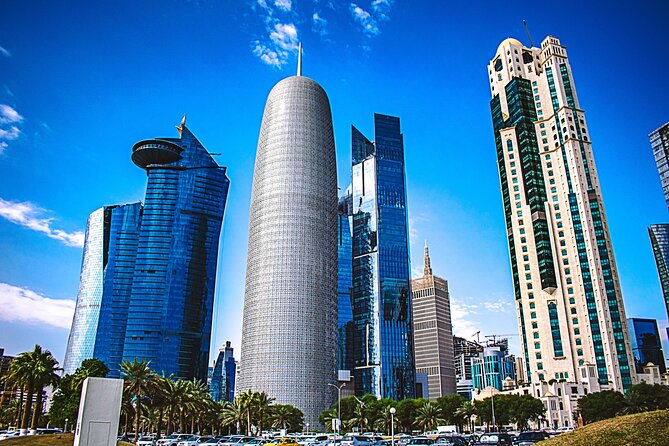
The route includes Doha’s Corniche, a roughly 10-kilometer waterfront road and promenade around Doha Bay. It passes hotels, government buildings, parks, museums, and the library, with views toward the Arabian Gulf.
The Corniche is important because it helps you read the city. Doha’s skyline, waterfront planning, and public spaces come together here in one broad view. The information provided does not assign a separate duration or a guaranteed walking stop, so think of this as a scenic part of the drive rather than a long promenade visit.
That distinction matters. If you want a leisurely walk beside the water, this tour may not provide enough time for it. If you want to see how Doha is arranged while moving between major stops, the Corniche adds useful context without taking over the day.
The Museum of Islamic Art deserves your full attention
The Museum of Islamic Art sits on an artificial island off the Corniche in a building designed by I. M. Pei, the architect also associated with the Louvre Pyramid in Paris. The collection covers three continents and 13 centuries of Islamic art.
You have one hour here, which is a reasonable introduction but not enough to see everything carefully. The building itself is a major part of the visit, with its strong geometric form and waterfront setting. Inside, the collection gives you a wider view of Islamic artistic traditions across a very large span of time and place.
Admission is not included. The tour information also says that all fees and taxes are excluded, so you should check the current entrance cost before booking and budget for it.
I would give this stop high priority. The Pearl and Lusail-type modern districts show present-day Qatar, while this museum provides the strongest art and historical context in the Doha section. If you prefer shopping or outdoor sightseeing, one hour may feel long. If you enjoy architecture and collections, it may feel short.
Same desert and coast, a completely different kind of day:
- Doha: Safari, ATV, Camels, Sandboarding and Inland Sea Tour
★ 4.8 · 5,291 reviews - Doha: ATV, Quad/Buggy Dune Bashing, Camel Ride, Sandboarding
★ 5.0 · 3,784 reviews - Desert safari, Dune bashing, sandboarding, camel, ATV Option
★ 5.0 · 2,826 reviews - Qatar Gold Dune Safari, Dune Bashing,Camel Ride,Sand Boarding,Inland Sea Desert
★ 5.0 · 2,807 reviews
Souq Waqif brings the day down to street level
Souq Waqif is the most atmospheric city stop. Its narrow lanes and traditional-style buildings hold shops selling spices, seasonal foods, perfumes, jewelry, clothing, handicrafts, and souvenirs.
You get about an hour here. That is enough to walk without rushing, browse the merchandise, and stop at a cafe or restaurant if the schedule allows. The souq also hosts traditional music, art, and cultural shows, though the timing of any performance is not specified.
I like this stop because it gives you a chance to experience Doha through ordinary commerce rather than large civic projects. It is also a practical place to look for small gifts. Keep in mind that an hour passes quickly if you want to shop, eat, and explore every alley. You will need to choose.
The order of the day matters here. Souq Waqif comes before the long northern run, so it is one of the better places to enjoy a concentrated dose of Doha before leaving the city.
Al Khor explains the old coastal economy
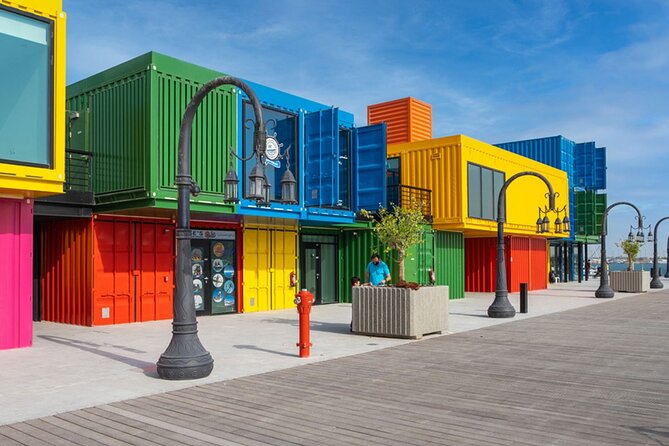
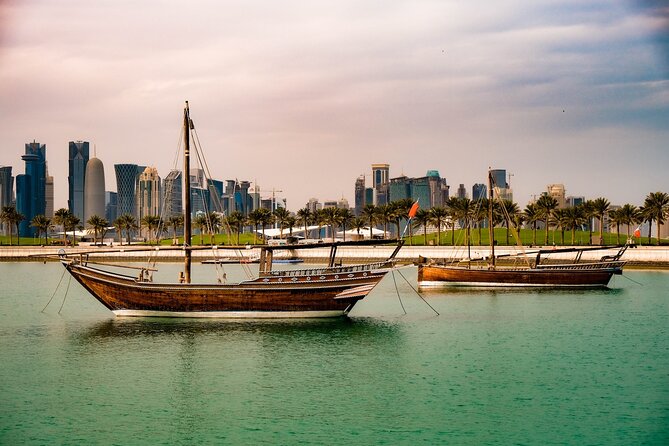
Al Khor lies about 50 kilometers north of Doha and is older than the capital, though much smaller. Its name refers to a sea on three sides, and its harbor once served as a center for pearl work and fishing.
The tour allows about an hour. You can expect a scenic harbor, traditional fishing dhows, a corniche, and a museum connected with fishing, pearling, and dhow building. This is where the northern route gains meaning. Qatar’s prosperity did not begin with skyscrapers and gas wealth. Coastal work, trade, fishing, and pearls shaped communities long before the present city took form.
Al Khor is also a useful pause after the city portion. Still, the northern drive takes time, and the experience may feel less exciting if you are focused only on famous photo stops. I would recommend it most to anyone who wants the country’s social and economic story, not just its modern architecture.
Purple Island and Al Thakira offer a quieter Qatar
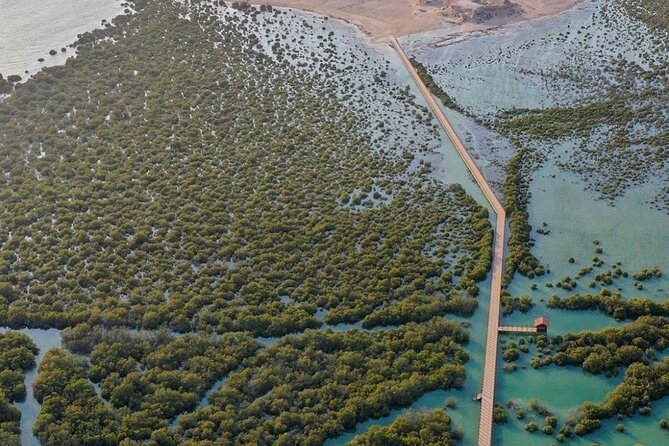
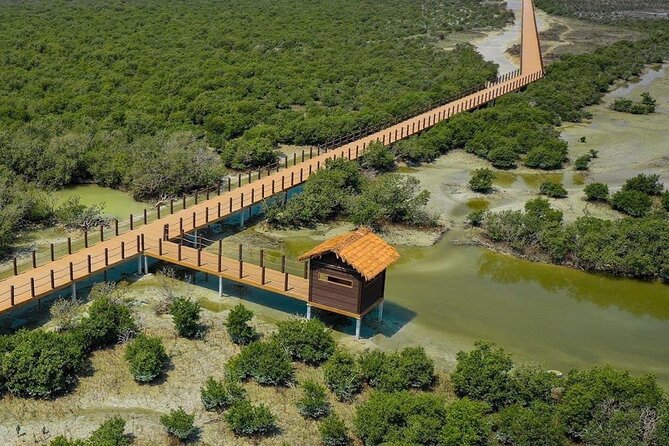
Purple Island, also called Al Khor Island, is associated with mangroves and coastal wildlife. The mangrove area provides habitat for birds, fish, and other animals, while helping reduce coastal erosion.
The scheduled visit is about 40 minutes. This is a short nature stop, not an organized water activity or an extended wilderness outing. You will get a look at a very different side of Qatar, with low coastal scenery and mangrove habitat replacing roads, towers, and formal buildings.
The name Purple Island points to its past importance in the production of purple dye, but the supplied tour details focus mainly on its environmental role. Your guide may add more explanation, and this is a good place to ask about the connection between the coast, pearling, fishing, and settlement.
Do not expect this stop to carry the same visual impact as the museum or Souq Waqif. Its value is in the change of pace and in seeing that Qatar’s northern coast is not only empty sand. Bring patience, since the northern section is designed around several modest stops rather than one large attraction.
Al Jumail adds an abandoned-village atmosphere
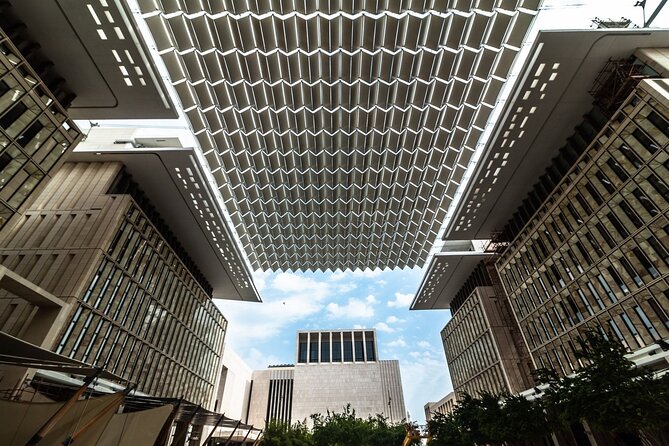
Al Jumail is another northern stop, scheduled for about 40 minutes. It fits the broader story of coastal Qatar and the communities that grew around fishing, pearling, and trade.
The information provided does not list an admission fee or a detailed set of facilities here. That suggests a simple heritage and scenery stop rather than a formal museum visit. You will want to rely on your guide for the background and allow the place itself to make the impression.
This is also one reason the tour can feel long. Al Jumail, Purple Island, and Al Khor are all worthwhile for the right person, but they are not three major attractions with elaborate displays. They work as pieces of one northern story. If you enjoy old settlements and quiet places, the sequence will feel thoughtful. If you want a packed list of headline sights, it may feel overextended.
Al Zubara Fort is the northern climax
Al Zubara Fort is the main historical stop and the strongest reason to continue all the way into northwestern Qatar. The surrounding Al Zubarah archaeological site was once a port and center for trade, fishing, and pearling. It is now a UNESCO World Heritage site.
You have about an hour here. The renovated fort displays artifacts connected with the area, while the wider protected site points to a much larger settlement and trading network. The fort is not simply a picturesque building. It helps explain how coastal commerce shaped Qatar before modern development changed the country.
Admission is not included, so confirm the current fee when planning your budget. The tour description says all fees and taxes are excluded, which is broader than the individual stop notes.
For me, this stop gives the long drive a clear purpose. The modern Doha sights are easy to visit on their own. Al Zubara is harder to reach without transport, and the guide’s historical explanation can make the remains far more meaningful than a quick photo stop.
The guide and vehicle can make or break the day
A small group and an air-conditioned Land Cruiser are strong practical features. Qatar’s heat can make long transfers tiring, so a comfortable vehicle matters. Bottled water, coffee, and tea are included, which removes a few small annoyances during a day with many stops.
The guide’s role is especially important because the route includes several places with limited signage or short visit times. Imran is praised for explaining facts about Doha and Qatar while showing a wide range of places. Abdullah is described as welcoming, and Zohaib is noted for prompt hotel pickup, friendly service, and clear explanations. Tariq is praised for a comfortable vehicle, helpful WhatsApp contact, and detailed guiding.
Those names may not mean you will receive the same guide, but they show what to look for: a guide who can connect Doha’s new districts to Al Khor’s pearling past and Al Zubara’s port history. The strongest guides will turn a series of stops into one story. A low-energy guide could make the long northern section feel much flatter.
Who should book this tour?
I would choose this trip if you have only one full day for Qatar and want more than Doha’s central sights. It suits couples, families, friends, and older visitors who prefer a vehicle-based day with a limited group. The route offers a useful first look at modern development, traditional commerce, coastal ecology, and archaeology.
It is also a good match for anyone who likes variety. In one day, you move from reclaimed island development to a cultural center, a major art museum, an old market, a fishing harbor, mangroves, an abandoned coastal settlement, and a UNESCO site.
I would hesitate if you dislike long drives or prefer to explore at your own pace. You may also find the schedule too tight if your main goals are the Museum of Islamic Art and Souq Waqif, since each receives about an hour and several northern stops still have to fit into the day.
Book it if your priority is coverage and context. Skip it if you want a slow Doha day, a dedicated museum visit, or a nature excursion with more time outdoors. At $140, the tour makes the most sense as a one-day introduction to both the capital and the north, especially when hotel pickup, a 4×4, refreshments, and a group of no more than six are useful to you.
FAQ
How long does the tour last?
The tour lasts approximately seven to eight hours.
Where does the tour take place?
It takes place in Doha and northern Qatar, with stops including The Pearl Island, Katara Cultural Village, the Corniche, the Museum of Islamic Art, Souq Waqif, Al Khor, Purple Island, Al Zubara Fort, and Al Jumail.
Is hotel pickup available?
Yes. Hotel transfer and pickup are offered.
How many people can join the group?
The maximum group size is six people.
What kind of vehicle is used?
The tour includes an air-conditioned 4×4 Land Cruiser.
Are food and drinks included?
Coffee, tea, and bottled water are included.
Is admission to the Museum of Islamic Art included?
No. Admission to the Museum of Islamic Art is not included.
Is admission to Al Zubara Fort included?
No. Admission to Al Zubara Fort is not included. The tour information also states that all fees and taxes are excluded.
Can I cancel for a full refund?
Yes. You can receive a full refund if you cancel at least 24 hours before the experience start time. Cancellations or changes made within 24 hours are not accepted for a refund.
Just added around Doha
- Doha: Night Desert Safari With Stargazing and Inland Sea★ 5.0 · 9 reviews
- From Doha: Private West Coast and Camel Race Track Tour★ 4.7 · 4 reviews
- Private Dunes Bashing | Desert Safari | Sand Boarding★ 5.0 · 5 reviews
- Private Wakesurfing or Wakeboarding along Doha’s skyline★ 5.0 · 3 reviews
- Doha-Private half day safari Sunrise/Sunset★ 5.0 · 6 reviews
- Doha : West Coast Tour on Zekreet Peninsula★ 5.0 · 15 reviews
- Doha: West Coast Tour Sculpture,Camel Racing Track Rock Formation★ 5.0 · 3 reviews
- Private Doha City Tour From Airport And Hotel★ 5.0 · 8 reviews
City Tours, compared.
Guided City Tour with Airport and Hotel Pickup
Read our review →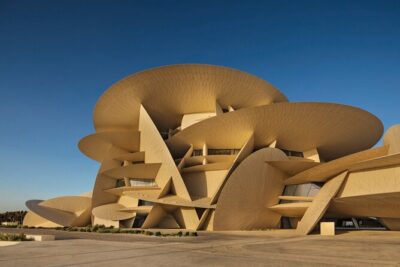
Doha City Tour | Souq Waqif | Courniche | The Pearl | Katara etc
Read our review →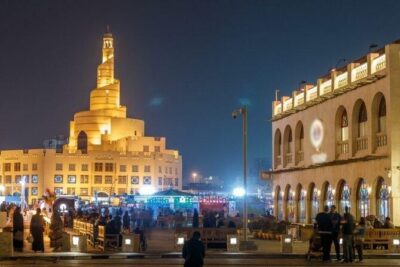
Doha City Tour And Dhow Boat Cruise (Private/Sharing)
Read our review →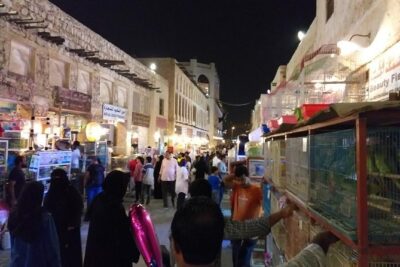
Doha Private Night City Tour – With or Without Local Meal
Read our review →
Combo City Tour & Desert Safari with Pickup drop-off
Read our review →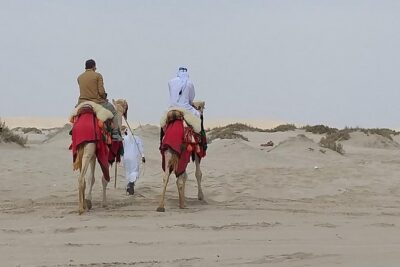
Doha Combo City And Half Day Desert Safari Tour No Hidden cost
Read our review →
Doha from Land & Sea: City Tour & Traditional Dhow Boat Ride
Read our review →
Browse the lists this tour appears in