
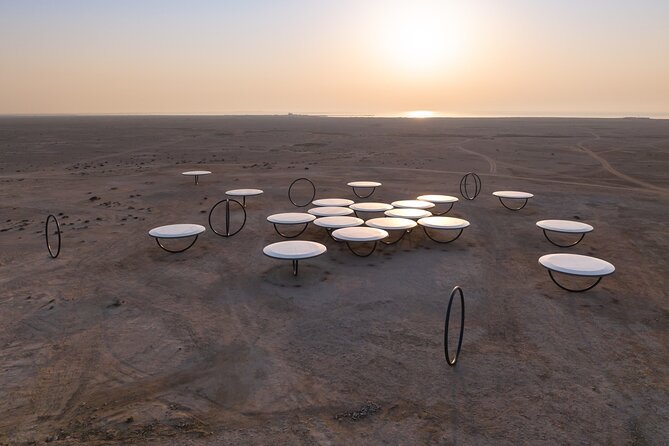
Reviewed · AL ZUBARAH FORT TOURS
Olafur Eliasson, North of Qatar Tour, Zubara Fort, Jumail Village
Northern Qatar offers a sharp change of pace from Doha, pairing Olafur Eliasson’s large-scale desert artwork with the quiet remains of old pearling communities and Al Zubara Fort. It is an unusual mix: contemporary art, abandoned homes, old trade routes, and open desert in one private half-day outing.
I like two things right away. First, the private vehicle means you can ask questions and adjust the pace with your guide. Second, the trip gives you a useful view of Qatar beyond the capital, with guides such as Mohammed, Ibrahim, Hamad, Nawaz, Zafar, and Alee praised for friendly conversation and careful driving. The main drawback is that four hours includes all driving, so the time at each stop is fairly short, and poor weather can cancel the art visit.
Key points to know before booking
- Olafur Eliasson’s desert installation: A striking contemporary artwork set far from Doha, with mirrors, light, shadows, and wide-open surroundings shaping the experience.
- Al Zubara Fort and UNESCO site: Spend about an hour at Qatar’s best-known northern fort, including its distinctive courtyard filled with shells.
- Private touring: Only your group participates, with hotel pickup offered, private transport, bottled water, tea or coffee, and WiFi on board.
- Abandoned Al Jumail Village: See the remains of a nineteenth-century pearling and fishing settlement left behind after Qatar’s oil and gas economy grew.
- A true half-day outing: The tour lasts about four hours, but driving takes a sizeable part of that time.
- Weather matters: The experience requires good weather, and the desert installation may not be available if conditions are poor.
Why this northern Qatar trip is different
Many Doha excursions focus on museums, markets, mosques, and new architecture. This one points the vehicle north, where the urban skyline gives way to archaeological ruins, empty shorelines, old villages, and open desert.
The art installation is the unusual hook. Olafur Eliasson’s work is placed in the desert rather than inside a gallery, so the setting becomes part of what you see. Bright sun, moving shadows, wind, and the broad horizon affect the artwork from minute to minute. One visitor also encountered camels near the installation, which added a very Qatari touch to the photographs.
I would not book this only as an art tour. The strongest feature is the contrast between the stops. You move from a modern work by an internationally acclaimed artist to a fort tied to Qatar’s trading past, then to the remains of a village shaped by pearling and fishing. That combination gives the outing more substance than a simple drive to one photo stop.
The private format helps. You are not sharing the vehicle with a large group, and the guide can explain what you are passing on the road. Mohammed, Ibrahim, Hamad, Nawaz, Zafar, Alee, Adil, and Amren are among the guides associated with the experience. Individual styles may differ, but the strongest comments point to polite service, safe driving, clean vehicles, and useful information about Qatar and Qatari life.
More Al Zubarah Fort Tours in Doha
- North Qatar Half-Day Tour: Al Zubarah, Purple Island & Mangroves
★ 5.0 · 337 reviews - North Qatar Tour | Zubara Fort | Purple Island | Mangros Colony
★ 5.0 · 323 reviews - Doha North Qatar Tour Zubara Fort, Mangroves, Jumail Village
★ 4.9 · 267 reviews
The desert artwork: Qatar’s most unusual photo stop
The Olafur Eliasson installation is the reason many people choose this tour. It sits in a remote desert setting, away from Doha’s galleries and city streets. The work uses reflective surfaces and changing light to make you pay attention to your own viewpoint and to the land around you.
You do not simply walk up, take one photograph, and leave. The visual effect changes as you move around the installation. Mirrors can catch the sky, desert, and other visitors, while the circular forms and shadows create strong patterns on the ground. Wind can be part of the experience too. One visit took place in very strong wind, while another continued despite rain, showing why the weather rule matters.
The site has parking, and the road from Doha toward the destination is generally good. The rougher section begins when you enter the immediate area around the artwork. Wear shoes that can handle uneven ground and bring sun protection. The provided cold bottled water is especially welcome on a hot day.
You might find camels nearby, though that is not guaranteed. Their presence can make the scene memorable, but do not book the tour expecting a camel ride or a wildlife encounter. The supplied details support the chance of seeing camels, not a promised activity.
The biggest practical caution is availability. One person did not get to see the desert shadows installation and was unsure why. Since the art stop depends on site conditions and weather, confirm the day’s plan with the operator if this is your main reason for booking. The tour can still include the northern fort and villages, but the experience changes if the artwork is missed.
Al Zubara Fort: one hour among shells and old trade routes
Al Zubara Fort is the most substantial historical stop, with about an hour set aside for it. The fort dates from the twentieth century and is the youngest major feature of the Al Zubara Archaeological Site. The wider site is recognized by UNESCO for preserving an important formative period in Qatar’s past.
The fort itself is easier to appreciate when you think of it as part of a larger settlement and trading area, not as an isolated military building. Its simple form and defensive purpose reflect a time when northern Qatar’s coastal communities depended on trade, fishing, and pearling.
A particularly memorable detail is the courtyard covered with millions of shells. That may sound like a small feature, but it connects the place directly to the sea-based economy that once supported nearby communities. I would spend time looking at the shells rather than treating the fort as a quick exterior photograph.
Admission is included at no extra charge. The one-hour visit is enough for a good look, but anyone interested in archaeology may want more time than this schedule allows. Your guide can add useful context during the drive, where the conversation may cover Qatar’s past, changing economy, and places along the route.
This stop also gives the trip a welcome sense of scale. Doha’s modern towers can make Qatar’s development seem sudden and abstract. Al Zubara helps you see an older chapter, when coastal settlements and maritime work shaped daily life.
Al Jumail Village: a quiet look at Qatar before the oil boom
Al Jumail is an abandoned pearling and fishing village linked to the Alkubaisi family. It was founded in the nineteenth century and remained inhabited into the twentieth century, then gradually emptied as the petroleum and gas economy brought new work and encouraged people to move to the main cities.
Only about 30 minutes is allocated here. That is enough to see the remains and take photographs, but it is not a long archaeological visit. The village is best approached as a brief, atmospheric stop rather than a fully interpreted museum.
The quiet is part of its appeal. You see the physical remains of a settlement that lost its role when Qatar’s economy changed. There are no modern attractions competing for attention, so the stop can feel stark and reflective.
I would listen carefully to the guide here. The ruins alone cannot tell you everything about the people who lived in the village, how pearling supported families, or why the move to the cities became attractive. The strongest guides on this route, including Ibrahim and Nawaz, are praised for explaining Qatar’s history and the places passed during the drive.
Al Jumail also balances the polished presentation of the fort. At Al Zubara, the site has a clear heritage focus. At Jumail, you encounter a more raw reminder of change, with less structure and less time. That contrast is useful, but visitors wanting detailed ruins or extensive walking may find this stop brief.
Same desert and coast, a completely different kind of day:
- Doha: Safari, ATV, Camels, Sandboarding and Inland Sea Tour
★ 4.8 · 5,291 reviews - Doha: ATV, Quad/Buggy Dune Bashing, Camel Ride, Sandboarding
★ 5.0 · 3,784 reviews - Desert safari, Dune bashing, sandboarding, camel, ATV Option
★ 5.0 · 2,826 reviews - Qatar Gold Dune Safari, Dune Bashing,Camel Ride,Sand Boarding,Inland Sea Desert
★ 5.0 · 2,807 reviews
Qatar’s northeastern tip and the long ride north
The final listed stop is at 575G+Q3M, described as the northeastern tip and end of Qatar. The stop lasts about 20 minutes. It is a simple place to pause, take in the open surroundings, and mark the farthest point of the route.
Do not expect a major attraction with a visitor center or a long program here. The value is geographic. You have traveled well beyond Doha and reached the country’s northeastern edge. That makes it a satisfying endpoint, especially for anyone who enjoys seeing how a country changes from capital to remote coast.
The drive is an important part of the outing. The stated four-hour duration includes travel time, so the three named stops do not add up to four hours of sightseeing. Al Zubara receives about 60 minutes, Al Jumail about 30 minutes, and the northeastern tip about 20 minutes. The rest is spent on the road, along with the time needed for the art installation.
That is not wasted time. A private guide can point out passing places and explain Qatar’s geography and society. Several guides are praised for conversation during the drive, and one person used the time to ask many questions about Qatar and Qatari people. Still, you should choose this trip for the full route, not for long stays at each individual site.
What the private vehicle adds
Pickup is offered, and the tour uses a private air-conditioned vehicle. Only your group takes part, which gives you more privacy and makes the ride easier for families, couples, or small groups with different interests.
The vehicle includes WiFi, bottled water, and coffee or tea. Food is not included, so plan around the timing of the tour. Dinner, snacks, and lunch are all excluded. One useful detail from the hot-weather experience is that cold water was appreciated, so take the included bottle seriously and ask for more practical guidance if you need it.
The driver-guide role can shape your day. Some guides are quiet but still provide useful information about the route and scenery. Others are more conversational and may answer many questions about Qatar’s culture and history. Adil, for example, was described as helpful but sometimes difficult to hear, which is a reminder to speak up in the vehicle if road noise or air conditioning makes conversation hard.
The private setup also makes the tour flexible within reason. One person was dropped at a planned lunch location on the return journey, and several comments praise guides for patience and for accommodating needs. Do not assume every request is guaranteed, but the format is more adaptable than a large coach excursion.
Is $80 a fair price?
At $80 per person, this tour is not the cheapest way to see one northern site. The value depends on how you judge the package.
You are paying for a private vehicle, pickup, a driver-guide, fuel and long-distance transport, water, tea or coffee, WiFi, and a route that combines several widely separated places. There are no listed admission fees for Al Zubara Fort, Al Jumail, or the northeastern tip, so the price is mainly for transport, guiding, and convenience.
For a solo visitor, $80 may feel high compared with joining a group. For two or more people, the private format becomes easier to justify, especially if you value hotel pickup and do not want to arrange transport into northern Qatar. Group discounts are offered, so check the current price for your party rather than assuming the per-person figure is fixed.
The art installation is also difficult to treat like an ordinary ticketed attraction. The remote setting and driving time are part of the cost. If you only want a quick look at Al Zubara Fort, this is more than you need. If you want one organized trip that links contemporary art with old coastal settlements, the price is more sensible.
Heat, wind, rain, and what to bring
Northern Qatar can be demanding in hot or windy weather. The tour does provide air conditioning and water, but you should still bring sun protection and clothing suited to exposed outdoor stops.
A hat, sunglasses, sunscreen, and comfortable shoes will help. Strong wind was reported at the artwork, and rain can also affect the visit. The experience requires good weather, so poor conditions may lead to a different date or a full refund.
The rough road near the art installation is another reason to choose practical footwear. You might spend time walking on uneven desert ground rather than paved paths. The fort and village stops are easier to manage, but the route is not designed as an indoor sightseeing program.
The tour is suitable for most people according to the supplied booking information, and it is near public transportation. Pickup remains the simpler choice because the route extends well beyond central Doha.
Who should book this tour?
I would recommend it to you if you want to see a side of Qatar that is difficult to reach through city sightseeing alone. It works especially well for:
- First-time visitors with one free half-day
- Art lovers interested in Olafur Eliasson
- History-minded visitors who want Al Zubara and old coastal settlements
- Couples, families, and small groups who prefer a private vehicle
- Anyone curious about Qatar’s move from pearling and fishing to petroleum and gas
- Visitors who enjoy a long drive with local conversation
I would be more cautious if you dislike time in the car, need a packed schedule of indoor attractions, or want guaranteed access to the artwork in every condition. The tour is also not a food outing, since meals and snacks are not included.
The strongest part is the combination. Al Zubara alone gives you heritage, while the installation alone gives you modern art in an unexpected setting. Together with Al Jumail and the northeastern tip, they create a clearer picture of northern Qatar.
Should you book the North of Qatar tour?
Book it if you want contemporary art and old Qatar in the same half-day. The private transport, hotel pickup, bottled water, and guide-led drive make the remote route straightforward, while Al Zubara’s shell-filled courtyard and Al Jumail’s abandoned homes add real historical weight.
Before paying, confirm that the Olafur Eliasson installation is expected to be accessible on your date. If that artwork is your main goal, weather and site conditions matter. If you would still enjoy the fort, village, coastal route, and conversations with guides such as Mohammed, Ibrahim, or Hamad, the tour offers a well-balanced way to leave Doha for a few hours.
Free cancellation is available up to 24 hours before the start time for a full refund. Inside that window, changes and refunds are not accepted, except when poor weather causes the operator to cancel and offer another date or a full refund.
FAQ
How long does the North of Qatar tour last?
The experience lasts approximately four hours, including travel time between Doha and the northern sites.
Is hotel pickup available?
Yes. Pickup is offered as part of the experience.
Is this a private tour?
Yes. Only your group participates in the activity.
What is included in the price?
The tour includes bottled water, an air-conditioned vehicle, WiFi on board, private transportation, and coffee or tea.
Are meals included?
No. Dinner, snacks, and lunch are not included.
How much time is spent at Al Zubara Fort?
The scheduled visit to Al Zubara Fort lasts about one hour.
How much time is spent at Al Jumail Village?
The scheduled visit to Al Jumail lasts about 30 minutes.
What happens if the weather is poor?
The experience requires good weather. If it is canceled because of poor weather, you will be offered a different date or a full refund.
More Olafur Eliasson Installation Tours in Doha
- North of Qatar Tour to Olafur Eliasson Zubara Fort Jumail Village
★ 5.0 · 157 reviews - Doha: Olafur Eliasson Exhibit, Zubara Fort & Al Jumail
★ 4.9 · 9 reviews - North of Qatar Tour to Olafur Eliasson,Zubara Fort,Jumail Village
★ 5.0 · 6 reviews - Private Tour to Zubara Fort Purple Island and Olafur Eliasson
★ 5.0 · 3 reviews
Just added around Doha
- Doha: Night Desert Safari With Stargazing and Inland Sea★ 5.0 · 9 reviews
- From Doha: Private West Coast and Camel Race Track Tour★ 4.7 · 4 reviews
- Private Dunes Bashing | Desert Safari | Sand Boarding★ 5.0 · 5 reviews
- Private Wakesurfing or Wakeboarding along Doha’s skyline★ 5.0 · 3 reviews
- Doha-Private half day safari Sunrise/Sunset★ 5.0 · 6 reviews
- Doha : West Coast Tour on Zekreet Peninsula★ 5.0 · 15 reviews
- Doha: West Coast Tour Sculpture,Camel Racing Track Rock Formation★ 5.0 · 3 reviews
- Private Doha City Tour From Airport And Hotel★ 5.0 · 8 reviews
Al Zubarah Fort Tours, compared.
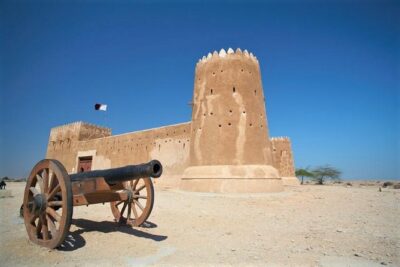
North Qatar Half-Day Tour: Al Zubarah, Purple Island & Mangroves
Read our review →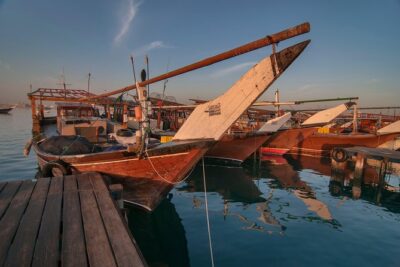
North Qatar Tour | Zubara Fort | Purple Island | Mangros Colony
Read our review →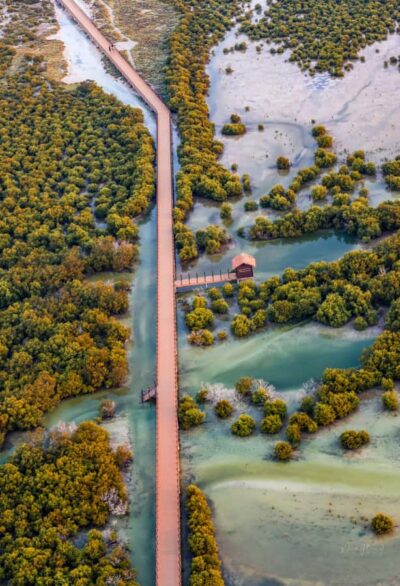
Doha North Qatar Tour Zubara Fort, Mangroves, Jumail Village
Read our review →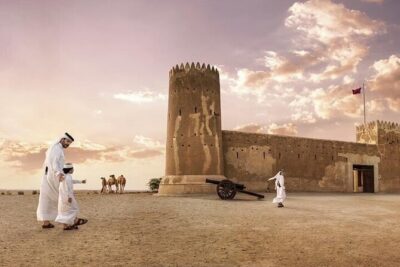
North of Qatar Tour to Olafur Eliasson Zubara Fort Jumail Village
Read our review →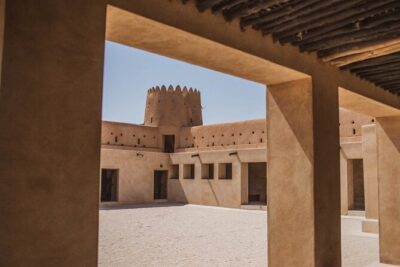
North of Qatar Tour, Zubara Fort, Mangroves, Jumail Village
Read our review →
Private North of Qatar: Zubara Fort | Jumail Village | Al-Thakhira Mangroves
Read our review →
North Qatar Tour, Mangroves, & Zubara Fort and purple
Read our review →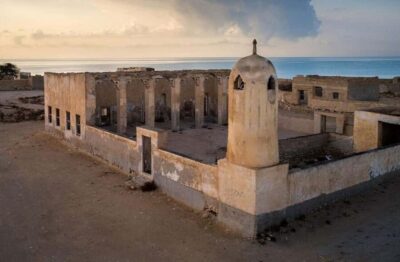
Browse the lists this tour appears in