
Reviewed · AL ZUBARAH FORT TOURS
Olafur Eliasson, Al Jumail, Al Ruwais & Al Zubarah Tour
The most unusual part of this northern Qatar outing is the meeting of Olafur Eliasson’s desert artwork with old villages, archaeological remains, and the open coast. In a single half-day, you move from modern art to Qatar’s former pearl trade and then to a UNESCO-listed fort.
I like the mix of stops, especially Al Jumail’s abandoned houses and the calm seaside setting at Al Ruwais. I also like that a good guide, including guides such as Javid, Amir, Sadiq, Sadek, or Bilal, can turn the long drive into a useful lesson about Qatari society and history.
The main drawback is the distance. Northern Qatar is about an hour from Doha, so part of this 270-minute tour is spent in the vehicle, and one past participant felt the $70 price was a little high even while noting that cheaper alternatives were hard to find.
Key points to know before booking
- Olafur Eliasson’s desert artwork: A striking stop where contemporary art interacts with the wide, quiet Qatari desert.
- Al Jumail’s abandoned village: Explore old stone homes tied to Qatar’s pearl trade and coastal life.
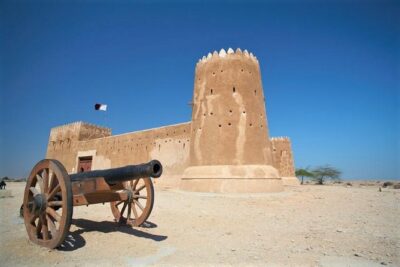
- Al Zubarah Fort: Visit one of the country’s best-known historic sites and a UNESCO World Heritage setting.
- Al Ruwais coast: End beside the sea in a quieter town with fishing traditions and open views.
- Four and a half hours from Doha: The tour covers a lot of ground, with roughly an hour of driving to the northern area.
- English-speaking guide and private option: Round-trip transfers, tea, water, and an air-conditioned vehicle are included.
Why northern Qatar makes a worthwhile half-day trip
Doha is polished, modern, and full of major buildings. Northern Qatar gives you a different picture. Here, the story is told through empty homes, coastal settlements, a fortress, and a contemporary artwork placed far from the city.
I like this contrast. You are not simply moving from one photo stop to another. You are seeing several versions of Qatar in a compact outing: the country as a modern cultural patron, the country as a pearl-trading society, and the country as a small coastal power with links to regional commerce.
The tour lasts 270 minutes, or four and a half hours. That makes it manageable if you have a short stay in Doha, but it also means the schedule is fairly full. You should expect a meaningful amount of road time, especially since the northern area is about an hour from Doha.
Pickup and return are arranged in Doha. The air-conditioned vehicle matters here. Qatar’s sun can be intense, and having a cool ride between the stops makes the outing more comfortable than trying to organize a northern route yourself.
More Al Zubarah Fort Tours in Qatar:
- North Qatar Half-Day Tour: Al Zubarah, Purple Island & Mangroves
★ 5.0 · 337 reviews - North Qatar Tour | Zubara Fort | Purple Island | Mangros Colony
★ 5.0 · 323 reviews - Doha North Qatar Tour Zubara Fort, Mangroves, Jumail Village
★ 4.9 · 267 reviews
The desert artwork of Olafur Eliasson
The first major stop takes you away from forts and old settlements and into the desert for Olafur Eliasson’s installation. The work blends modern creativity with the surrounding terrain, giving you a chance to think about the desert as more than empty space.
This is a good opening because it changes the pace at once. You begin with something visual and open-ended rather than a room full of labels. The artwork is best approached slowly. Look at how it sits within the land, how the shapes or structures alter your sense of distance, and how the light changes the scene.
You will want comfortable shoes. This is not the place for delicate footwear, particularly if you hope to walk around for photographs. Bring your passport or ID card as requested for the tour, along with water if you prefer to carry your own, although water is provided.
The art stop will appeal most to people who enjoy unusual public art and wide views. If you prefer a tour made entirely of traditional monuments, this part may feel less direct. It does, however, give the day a welcome change of subject and shows a side of Qatar that is easy to miss in Doha.
Your guide can also help you make sense of the work. Names of guides reported for this experience include Javid, Amir, Sadiq, Sadek, and Bilal, though the guide assigned to you can vary. A strong guide is useful here because contemporary art does not always explain itself clearly.
Walking through Al Jumail’s empty homes
Al Jumail is one of the most atmospheric stops. This abandoned village was once linked to pearl fishing and coastal life. Its remaining structures give you a direct sense of how people lived before Qatar’s oil wealth reshaped the country.
The appeal is in the details. You can look at the old walls, the layout of the settlement, and the way the village sits against the bare surroundings. Unlike a polished museum, Al Jumail leaves room for your imagination. You are looking at a place that has been left behind, not a recreated version of the past.
This stop is especially valuable if you want to understand Qatar beyond its new roads and towers. The village points to an older economy built around the sea, trade, and hard physical work. It also helps explain why coastal settlements mattered so much before modern transport and energy wealth changed daily life.
Give yourself time to walk and take photographs, but watch your footing. The information provided asks you to bring comfortable shoes, and that is practical advice for old village remains. You should also be prepared for limited shade and strong sun in outdoor areas.
The village is not a large attraction with a long list of facilities. That is part of its appeal, but it also means you should not expect a fully developed visitor center at every stop. The guide’s explanation is important. Sadiq, Sadek, Javid, Amir, and Bilal have each been associated with this tour at different times, and the most praised part of their role is explaining the country while driving and helping with photographs.
Al Zubarah Fort and Qatar’s trading past
Al Zubarah Fort brings a more formal historical stop to the day. The UNESCO-listed site is tied to Qatar’s archaeological and trading past, and the fort remains one of the clearest symbols of the country’s northern heritage.
The fort is valuable because it gives physical shape to the history you have already started to see at Al Jumail. Al Jumail shows a settlement connected to the sea and pearl trade. Al Zubarah adds a larger story of commerce, defense, and the importance of northern Qatar as a regional center.
You should listen closely to the guide here. A fort can look simple from the outside, but its significance is easier to grasp when you understand why it was built and what activity took place around it. The experience is not only about taking a picture of the walls. It is about placing Qatar’s modern identity beside its earlier trading world.
Museum entrance fees are not included, so check the current arrangements before you go if you hope to enter any museum area connected with the site. The tour information specifically excludes museum admission, while the guide, vehicle, tea, water, and Doha transfers are included.
The fort stop also rewards patience. You may find that the open setting and clean lines make strong photographs, especially when the sun is lower. Still, this is an outdoor heritage visit, not a cool indoor museum tour, so sun protection and comfortable clothing are sensible.
More Olafur Eliasson Installation Tours in Qatar:
- North of Qatar Tour to Olafur Eliasson Zubara Fort Jumail Village
★ 5.0 · 157 reviews - Olafur Eliasson, North of Qatar Tour, Zubara Fort, Jumail Village
★ 5.0 · 17 reviews - Doha: Olafur Eliasson Exhibit, Zubara Fort & Al Jumail
★ 4.9 · 9 reviews - North of Qatar Tour to Olafur Eliasson,Zubara Fort,Jumail Village
★ 5.0 · 6 reviews
A quiet finish at Al Ruwais
Al Ruwais provides a softer ending. This coastal city is known for its peaceful atmosphere, seaside views, and traditional fishing culture. After the desert art and old ruins, the water gives the day a change of mood.
I like ending here because you are not rushed straight back to Doha after the historical sites. The coast gives you a chance to slow down, look out to sea, and see a quieter part of Qatar. It is a useful reminder that the northern region is not only about archaeology. People still connect this area with the sea and fishing.
Do not expect the energy of central Doha. Al Ruwais is best for calm views and a short pause, not a packed entertainment district. If you want a dramatic final attraction with shops and large museums, this may feel modest. If you want a peaceful coastal stop, it fits the tour well.
The seaside setting is also a good chance to ask your guide questions. Guides on this route have been praised for sharing information about Qatari culture, society, and daily life during the drive. That conversation can make the coastal stop feel more connected to the earlier villages and fort.
What the guide adds to the long drive
The guide may be the deciding factor on this tour. The route covers a large part of northern Qatar, and the drive could feel like wasted time without explanation. A good guide turns it into context.
Javid has been described as kind and generous, helping with photographs and videos as well as explaining the sights. Amir has been praised for timing the stops well and for sharing stories about the country and its people. Sadiq and Sadek have also been named as guides who offered clear information, while Bilal has been described as showing and explaining the sites with care.
Your assigned guide may be different. Still, these details show what to look for: clear historical background, useful answers, sensible timing, and help with photos when appropriate. The guide is not just a driver. The best version of this tour connects each stop to the wider story of Qatar.
Tea and water are included. Meals are not included unless you select an optional add-on, and meals are unavailable during Ramadan. Qatar’s Ramadan dates can change each year, so check the conditions for your travel dates rather than assuming food will be available on the road.
Is $70 good value for four and a half hours?
At $70 per person, this is not the cheapest possible way to see northern Qatar, but the price needs to be judged against what is included. You receive hotel pickup and drop-off in Doha, an air-conditioned vehicle, an English-speaking guide, tea, and water. You also avoid the work of planning a route that links several widely separated places.
The value is strongest if you are interested in more than one subject. An art lover who also wants to see Qatar’s old villages gets a varied day. A history fan receives Al Jumail and Al Zubarah. Someone who wants coastal views gets Al Ruwais without giving up the desert artwork.
The value is weaker if you only want a quick visit to one fort. In that case, the driving time may seem high, and the price may feel less attractive. One participant considered the tour expensive, although extensive searching did not reveal a clearly cheaper comparable option.
A private group is available. That can improve the value for families or small groups who want a more personal pace, but you should confirm the private-group price before booking. The standard price is listed per person.
Timing, comfort, and practical preparation
The tour begins and ends in Doha, with the starting time based on availability. Since the northern drive takes about an hour, I would avoid packing another fixed activity too close to the return time. Road conditions and stop lengths can affect the day.
Wear comfortable shoes, as requested. Al Jumail and the desert artwork are outdoor stops, and old village remains may have uneven ground. Bring your passport or ID card, and dress for sun and heat. Water is included, but an extra bottle and sun protection are sensible additions.
There are no meals included in the standard tour. If you need food during the outing, check the add-on options before booking. During Ramadan, meals are unavailable, so plan around that restriction.
The tour is offered in English with a live guide. A private group option is available, which may suit people who want more control over the pace or prefer not to share the vehicle. The supplied information does not give a separate accessibility description, so ask the operator directly if you have mobility needs.
Free cancellation is available up to 24 hours in advance for a full refund. You can also reserve now and pay later, which helps if your Doha schedule is still shifting.
Who should book this northern Qatar tour?
I would recommend it to first-time visitors who want to see beyond Doha in a limited amount of time. It is also a strong choice for art lovers, people curious about Qatar’s pearl-trading past, and anyone who prefers real historic remains to a full day of shopping or modern attractions.
Families may appreciate the private option and the variety of stops. Older relatives can enjoy the guided context and vehicle transfers, though outdoor walking at Al Jumail and the art installation should be considered.
I would be more cautious if you dislike driving, hot outdoor sites, or open-ended contemporary art. The tour covers a lot in 270 minutes, and the route necessarily includes time on the road. It is not a slow archaeological study or a long beach visit.
Should you book it?
Book this tour if you want a compact, well-rounded look at northern Qatar. The combination of Olafur Eliasson’s artwork, Al Jumail, Al Zubarah Fort, and Al Ruwais is unusual, and the guide can connect these places into a clear story about Qatar’s changing identity.
Skip it if your priority is staying close to Doha or spending a full day at one major museum. For everyone else, the $70 price is reasonable when you count the transfers, guide, vehicle, and range of sites. Go with comfortable shoes, leave room in your schedule for the long drive, and treat the guide’s local explanation as a central part of the experience rather than a bonus.
FAQ
Where does the tour begin and end?
Pickup is in Doha, and the tour returns you to Doha.
How long does the tour last?
The stated duration is 270 minutes, or four and a half hours.
How much does the tour cost?
The listed price is $70 per person.
Which language is the tour offered in?
The live tour guide speaks English.
Is hotel transportation included?
Yes. Hotel pickup and drop-off are included in an air-conditioned vehicle.
What is included besides transportation and guiding?
Tea and water are included.
Are meals included?
Meals are not included unless selected as an optional add-on. Meals are unavailable during Ramadan.
What should I bring?
Bring your passport or ID card and comfortable shoes.
Just added around Qatar
- Doha: Night Desert Safari With Stargazing and Inland Sea★ 5.0 · 9 reviews
- Doha North Of Qatar Guided Tour with Pickup and Drop-Off★ 4.3 · 3 reviews
- Doha Delights City Tour with Desert Safari and Inland Sea Visit★ 5.0 · 5 reviews
- Doha Layover or Doha Stopover Tour with Desert & City Tour★ 5.0 · 3 reviews
- From Doha: Private West Coast and Camel Race Track Tour★ 4.7 · 4 reviews
- Private Dunes Bashing | Desert Safari | Sand Boarding★ 5.0 · 5 reviews
- Private Wakesurfing or Wakeboarding along Doha’s skyline★ 5.0 · 3 reviews
- Doha-Private half day safari Sunrise/Sunset★ 5.0 · 6 reviews
Al Zubarah Fort Tours, compared.
North Qatar Half-Day Tour: Al Zubarah, Purple Island & Mangroves
Read our review →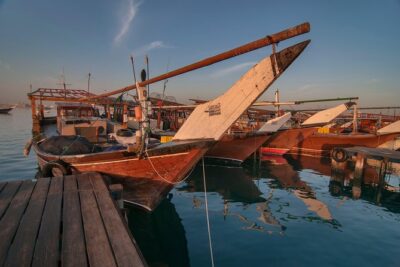
North Qatar Tour | Zubara Fort | Purple Island | Mangros Colony
Read our review →
Doha North Qatar Tour Zubara Fort, Mangroves, Jumail Village
Read our review →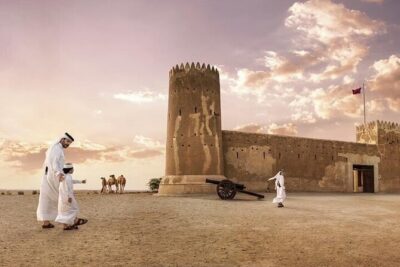
North of Qatar Tour to Olafur Eliasson Zubara Fort Jumail Village
Read our review →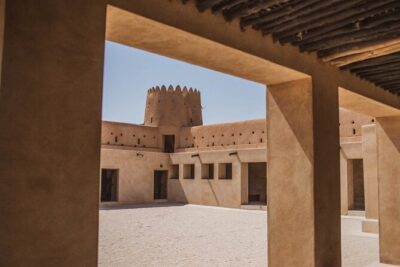
North of Qatar Tour, Zubara Fort, Mangroves, Jumail Village
Read our review →
Private North of Qatar: Zubara Fort | Jumail Village | Al-Thakhira Mangroves
Read our review →
North Qatar Tour, Mangroves, & Zubara Fort and purple
Read our review →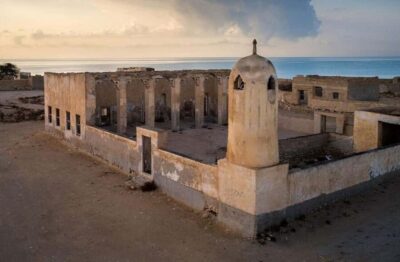
Browse the lists this tour appears in