
Reviewed · MUSEUMS
4-Hour Private Museum of Islamic Art in Qatar Tour
The best part of this Doha tour is the museum itself: a cubistic pyramid by architect I. M. Pei, set beside the Persian Gulf with broad views toward the city. Inside, you move through centuries of Islamic art, from 7th-century Qur’ans and rare coins to glass, jewelry, textiles, ceramics, and carved wood.
I like the private transport, which keeps the outing simple in a hot city, and I like the chance to spend three focused hours with one collection rather than rushing through several sights. The main catch is the price: $135 per person does not include the separate $14 museum admission, so the value depends on how much you want a private visit and guide support.
Key points to know before booking
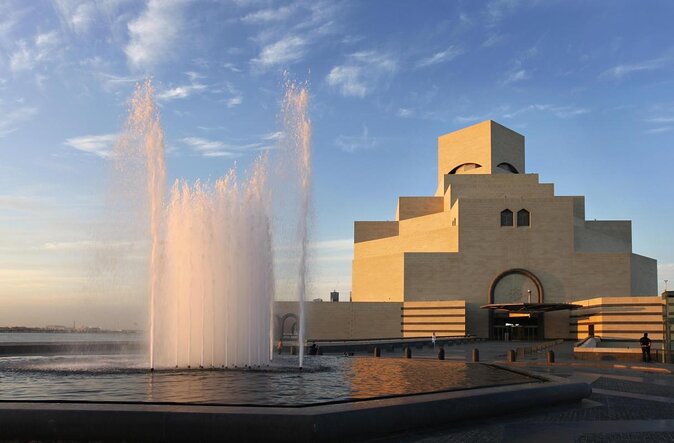
- I. M. Pei’s building is part of the experience: Take time outside for the geometric forms, sea views, arches, and city skyline.
- The collection covers more than one art form: Expect manuscripts, coins, metalwork, ceramics, glass, jewelry, woodwork, textiles, and fabric.
- The manuscript collection reaches across 12 centuries: More than 800 manuscripts include Qur’ans from the 7th century and Ottoman works from the 19th century.
- Private transport is included: Pickup is offered, and only your own group takes part in the activity.
- Budget an extra $14 for admission: Taxes and private transportation are included, but the museum ticket is listed separately.
- Plan on about three hours inside: The full outing lasts roughly four hours, with the museum visit listed at three hours.
Why the Museum of Islamic Art deserves your time
Doha has no shortage of new towers and polished public spaces. The Museum of Islamic Art gives you something different: a chance to see how art, faith, trade, science, and daily life connected across the Islamic world.
The collection was built from the late 1980s onward. That means the museum is not presenting one narrow national story. Instead, you encounter objects made across different periods and places, with Islamic artistic ideas appearing in many forms.
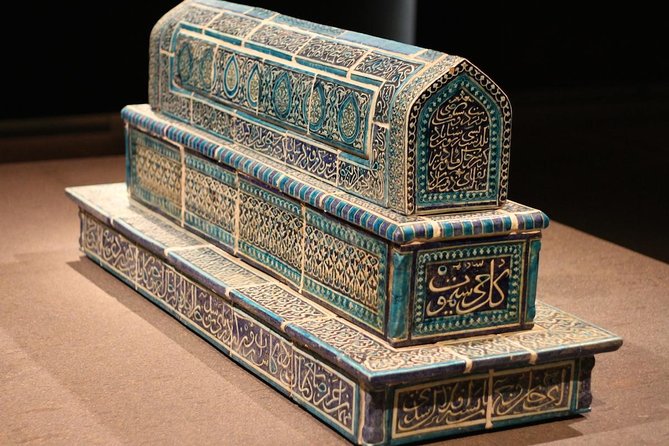
That range matters. If you are expecting only religious objects, the museum may surprise you. Qur’anic manuscripts are here, but so are coins used in daily commerce, jewelry worn for display, glass made for practical or ceremonial use, and textiles that show how pattern and craft moved between regions.
I especially like the way the collection can be read through materials. Metalwork shows precision and surface detail. Ceramics reveal the importance of color and repeated pattern. Textiles and carved wood bring Islamic design into the world of homes, clothing, and furnishings.
The displays also connect art with learning. The collection includes references to calligraphy, astronomy, mathematics, and geometric design. You are not simply looking at attractive objects. You are seeing how ideas about order, proportion, beauty, and devotion shaped objects made for both public and private life.
A few more Doha trips to weigh up
- Half-Day Wonders of Doha: Culture, Skylines, Museums & Souqs
★ 5.0 · 97 reviews - Doha Night City Tour | Souq Waqif | National Museum | The Pearl | Katara Village
★ 5.0 · 50 reviews - Doha: Iconic Sights, Culture & Museum of Islamic Art Tour
★ 5.0 · 43 reviews
The museum building and the Gulf setting
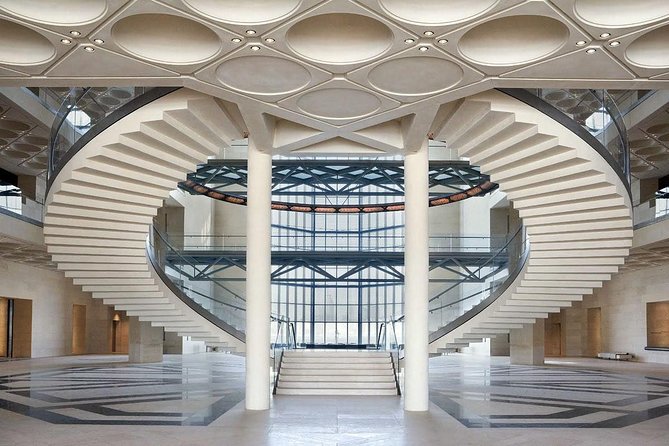
Before you focus on the cases, look at the building. Its stacked geometric form rises from the waterfront in pale stone, with strong lines and a quiet, deliberate shape. The design is bold without relying on excessive decoration.
The building is often the first thing that captures your attention, and it deserves more than a quick photo stop. Walk around the exterior if conditions allow. The outdoor area includes arches, water, and viewpoints toward Doha’s skyline.
Those views give you a useful sense of Qatar’s contrast. The museum looks back to older artistic traditions, while the towers across the water represent the country’s rapid modern growth. The setting makes that contrast visible without requiring a separate city tour.
The waterfront can be bright and hot, so plan your outdoor time sensibly. You can enjoy the architecture and views without lingering in the sun for too long, then return indoors for the main collection.
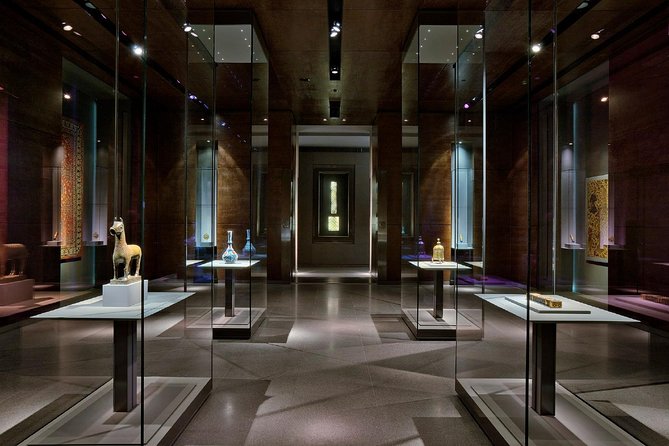
The building’s calm interior is another strength. Lighting is used carefully, and the galleries are arranged in a way that makes the visit easy to follow. That helps when you are looking at objects from different centuries and regions.
What you see during the three-hour museum visit
The itinerary gives you about three hours at the Museum of Islamic Art. That is enough time for a serious visit, though not enough to study every object at length.
A guide can help you decide where to slow down. One account of the tour names Ali as an excellent guide who shared facts and history about Doha during the drive and explained things in a clear, easy-to-follow way. A specific guide is not guaranteed in the booking details, so treat Ali as a useful example rather than a promise.
Manuscripts and Qur’anic art
The manuscript collection is one of the museum’s strongest historical sections. It includes more than 800 manuscripts, ranging from Qur’ans made in the 7th century to Ottoman works from the 19th century.
You can pay attention to the writing itself, the page layout, and the use of decoration. Calligraphy is not just lettering here. It is a central art form, shaped by discipline, balance, and careful control of space.
A private visit is useful in this section because you can ask questions at your own pace. If you already know something about Islamic history, you can focus on technique and regional differences. If the subject is new to you, a guide can provide the basic context that keeps the displays from feeling disconnected.
Same desert and coast, a completely different kind of day:
- Doha: Safari, ATV, Camels, Sandboarding and Inland Sea Tour
★ 4.8 · 5,291 reviews - Doha: ATV, Quad/Buggy Dune Bashing, Camel Ride, Sandboarding
★ 5.0 · 3,784 reviews - Desert safari, Dune bashing, sandboarding, camel, ATV Option
★ 5.0 · 2,826 reviews - Qatar Gold Dune Safari, Dune Bashing,Camel Ride,Sand Boarding,Inland Sea Desert
★ 5.0 · 2,807 reviews
Coins and the story of ordinary life
The rare gold and silver coins offer a different view of the past. Grand buildings and royal objects can tell you about power, but coins can reveal how authority and trade reached ordinary transactions.
The collection offers insight into Muslim communities from the 7th century onward. Look at the inscriptions, symbols, and changes in design. Even small objects can show shifts in political control, religious expression, and commercial life.
This is one reason the museum works well for people who are not usually art-museum regulars. You do not need to judge every object by appearance. You can ask what it was used for, who handled it, and what its markings tell you.
Glass in color and form
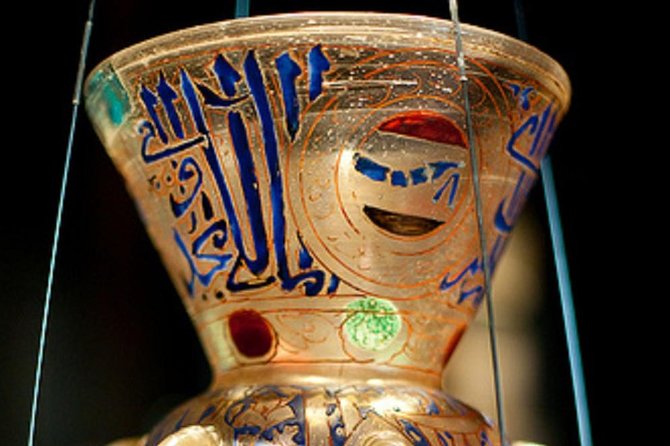
The glass collection is another highlight. It includes highly decorated enameled glass, as well as cut and molded pieces with a simpler look.
The difference between these objects is worth noting. Some pieces attract you with multicolored decoration and a gleaming surface. Others rely on shape, cutting, and form. Together, they show how skilled glassmaking could serve both beauty and use.
Lighting is important in this section. The objects are displayed so that color, shine, and surface detail can be appreciated. Give yourself time to look from different angles rather than treating the glass as a quick stop.
Ceramics, metalwork, and jewelry
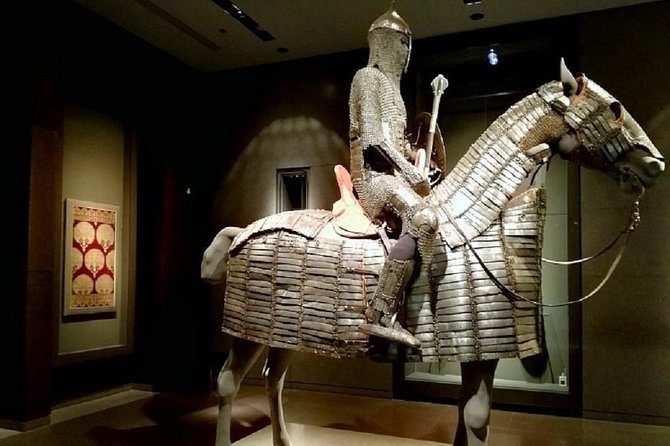
Ceramics and metalwork provide some of the clearest examples of repeated Islamic pattern. You will see how geometric shapes, flowing decoration, and controlled surfaces can turn useful objects into works of art.
The jewelry section brings the collection closer to personal life. Jewelry is not only about precious materials. It can show status, taste, craft traditions, and the way decoration was worn on the body.
Metal objects can also reveal the high level of workmanship expected from courtly or domestic pieces. Pay attention to handles, borders, inscriptions, and small details that are easy to miss when you view an object from a distance.
Textiles, fabric, wood, and related crafts
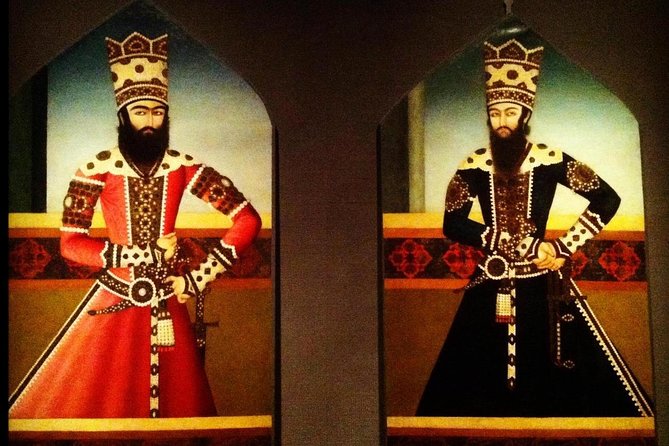
Textiles and fabric add softness to a collection otherwise filled with hard surfaces. Carpets and silk work show the importance of pattern, color, and patient handwork.
Carved wood and marble bring architectural ideas into smaller objects. You may see the same interest in repeated shapes and ordered decoration that appears in the building itself.
This is where the museum’s broad scope pays off. A visitor interested in design can focus on pattern. Someone interested in history can follow the movement of objects and ideas. A family can look for changes in color, material, and shape from one gallery to the next.
The value of a private four-hour outing
The listed price is $135 per person. That covers taxes and private transportation, while the museum ticket costs an additional $14. Pickup is offered, and only your group participates.
That is not the cheapest way to enter the museum. If you are already nearby and comfortable visiting alone, buying admission directly may make more financial sense. The private tour earns its price through convenience, transport, and guided attention rather than through an unusually long museum stay.
The value improves for a small group that wants flexibility. You do not have to match the pace of strangers, and you can ask for more explanation about manuscripts, coins, glass, or the wider story of Doha. Families may also appreciate having a guide who can make the displays easier for children to follow.
The visit is listed as four hours, with about three hours at the museum. That leaves time for transport, pickup, and the drive between your accommodation and the waterfront. If you are in Doha for a short stop, this focused plan can be easier than arranging taxis and admission on your own.
The tour is booked, on average, 12 days ahead. That does not mean you must reserve exactly 12 days in advance, but it is a useful sign that planning ahead is sensible, especially if your schedule in Doha is tight.
Who will enjoy this museum tour most
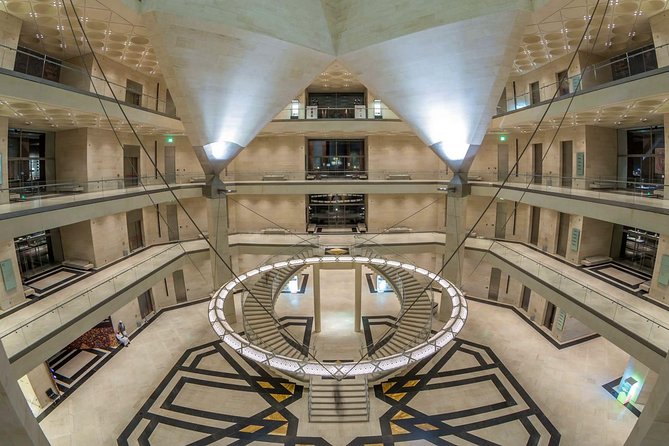
I would choose this tour if you want to understand Islamic art through several kinds of objects, not just admire a famous building. It suits first-time visitors to Doha, families, couples, and small groups who prefer a private outing.
It is also a good match for a short stop in Qatar. The museum gives you architecture, art, sea views, and a clear connection to Doha’s modern identity in one place.
You will get the most from it if you enjoy asking questions. The collection is large enough to reward curiosity, and a private format gives you room to focus on the objects that interest you most.
You may want a different plan if you prefer to wander alone with no set timing, or if your main goal is to keep costs low. The museum can be visited independently, and the extra charge for transport and private service will not suit every budget.
The experience is generally suitable for most people. The supplied information says most travelers can participate, but it does not provide detailed information about mobility equipment, access arrangements, or special requirements. Ask the provider before booking if you need a specific accommodation.
Practical tips for a smoother visit
Wear clothing suitable for a museum connected to Islamic art and culture. One visitor specifically advises paying attention to appropriate dress, and that is sensible for a respectful visit.
Allow time to see the outside of the building, not just the galleries. The arches, waterfront setting, terraces, and skyline views are among the strongest parts of the stop.
If you want food or a break, the museum has a coffee shop. A restaurant on the top floor was reported closed during one visit, so do not build your entire meal plan around that option. The coffee shop can be popular, and finding a table may take patience.
The museum is easy to move through, but three hours can pass quickly. Start with the sections that matter most to you, then return to favorite objects if time allows.
Check the ticket details carefully. The tour information includes a $14 museum ticket as an extra cost, even though one itinerary line says admission is included. That conflict should be clarified before payment so you know the full amount.
Free cancellation is available if you cancel at least 24 hours before the start time. Changes or cancellations made less than 24 hours ahead are not accepted for a refund. Booking confirmation is normally sent at once, but bookings made within two days of departure may take up to 48 hours and remain subject to availability.
My verdict: book it for help and convenience
I recommend this private tour if you want a guided introduction to the Museum of Islamic Art and do not want to arrange transport yourself. The building, Gulf setting, manuscripts, coins, glass, and wide range of decorative arts make this one of Doha’s most rewarding cultural stops.
At $135 per person, plus the $14 admission fee, it is best for people who value private service more than the lowest possible price. If you are happy exploring at your own pace, visit independently. If you want a clear four-hour plan, private transport, and the chance to ask questions, this tour is a sensible choice.
FAQ
Where does this tour take place?
The tour takes place at the Museum of Islamic Art in Doha, Qatar.
How long does the experience last?
The full experience lasts approximately four hours. The museum visit itself is listed as about three hours.
Is pickup offered?
Yes. Pickup is offered as part of the experience.
Is transportation included?
Yes. Private transportation and taxes are included.
Is the museum admission ticket included?
The tour information lists the museum ticket as an additional cost of $14, even though one itinerary line refers to admission as included. Confirm this detail with the provider before booking.
How much does the tour cost?
The listed price is $135 per person, with the $14 museum ticket shown separately.
Is this a private tour?
Yes. Only your own group participates in the activity.
Can most people participate?
The provided information says most travelers can participate. It does not give detailed information about particular accessibility requirements.
When will I receive booking confirmation?
Confirmation is normally received at the time of booking. If you book within two days of travel, confirmation may arrive within 48 hours and is subject to availability.
Can I cancel for a full refund?
Yes, if you cancel at least 24 hours before the experience start time. Cancellations or changes made less than 24 hours before the start time are not refunded or accepted.
Just added around Doha
- Doha: Night Desert Safari With Stargazing and Inland Sea★ 5.0 · 9 reviews
- From Doha: Private West Coast and Camel Race Track Tour★ 4.7 · 4 reviews
- Private Dunes Bashing | Desert Safari | Sand Boarding★ 5.0 · 5 reviews
- Private Wakesurfing or Wakeboarding along Doha’s skyline★ 5.0 · 3 reviews
- Doha-Private half day safari Sunrise/Sunset★ 5.0 · 6 reviews
- Doha : West Coast Tour on Zekreet Peninsula★ 5.0 · 15 reviews
- Doha: West Coast Tour Sculpture,Camel Racing Track Rock Formation★ 5.0 · 3 reviews
- Private Doha City Tour From Airport And Hotel★ 5.0 · 8 reviews
Museums, compared.
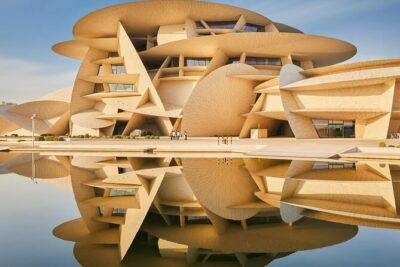
Half-Day Wonders of Doha: Culture, Skylines, Museums & Souqs
Read our review →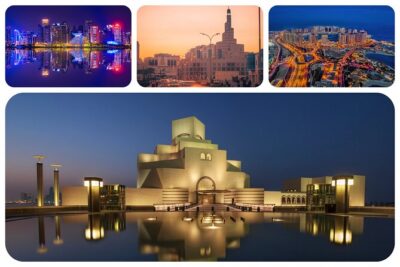
Doha Night City Tour | Souq Waqif | National Museum | The Pearl | Katara Village
Read our review →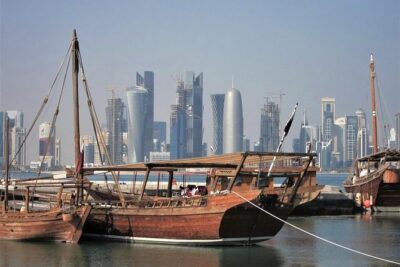
Iconic Sights, Culture & Museum of Islamic Art Tour
Read our review →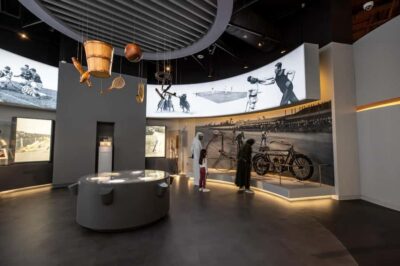
3-2-1 Qatar Olympic and Sports Museum: Admission Ticket
Read our review →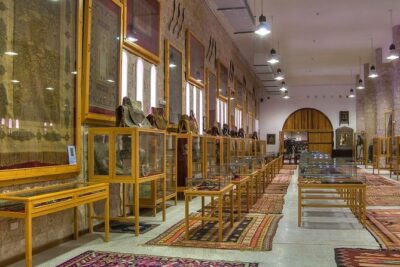
Cultural & Thrills: Sheikh Faisal Museum & Camel Race Adventure
Read our review →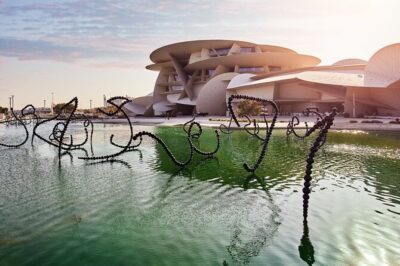
Private Doha City Tour, Souq Waqif, Katara, National Museum
Read our review →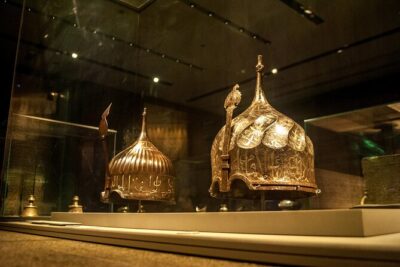

Doha, Qatar: Came Racing Track, Oryx & Sheikh Faisal Museum Tour.
Read our review →Browse the lists this tour appears in